
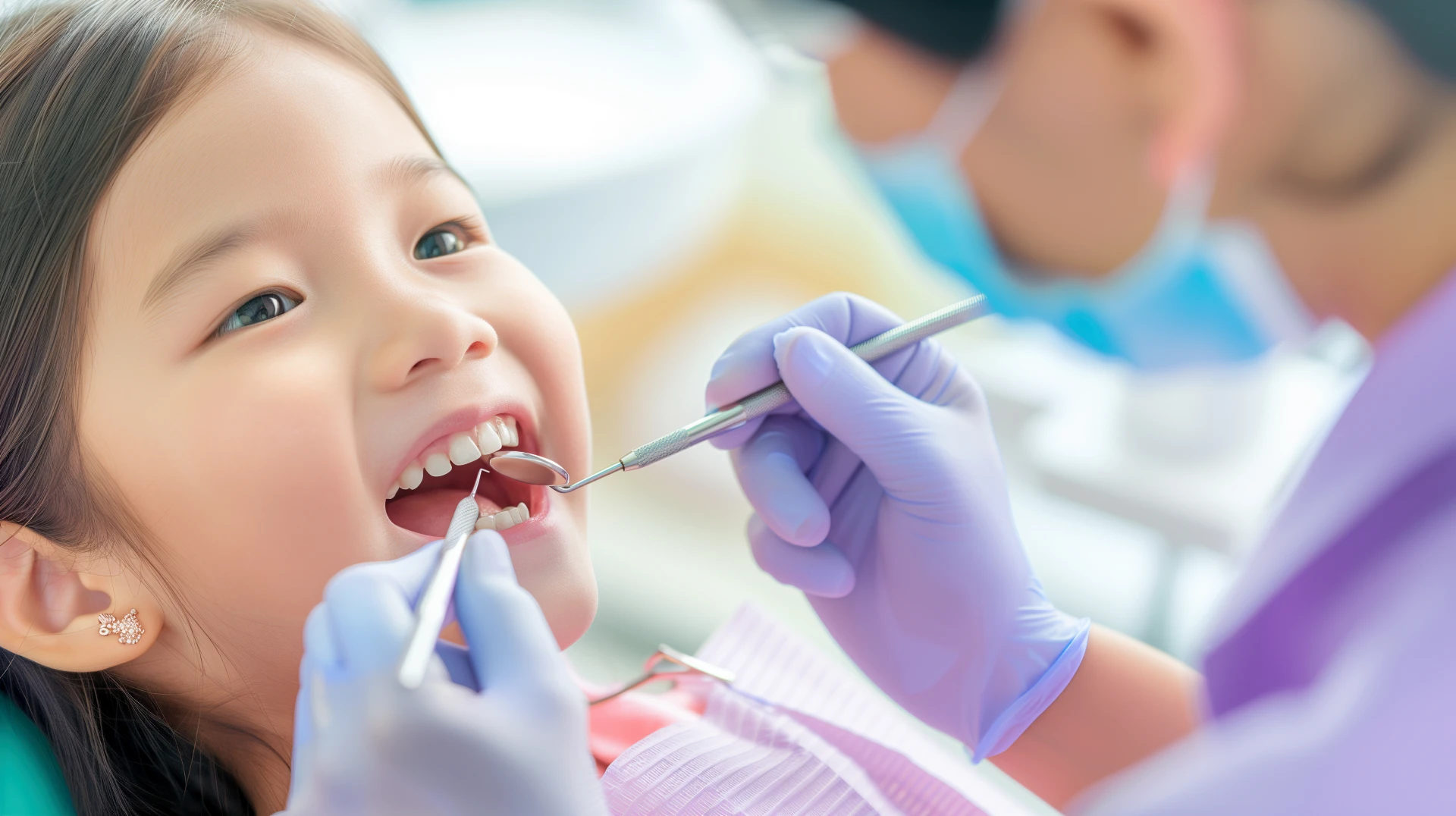
When Should My Child First See the Dentist? A Parent's Guide from Your Pediatric Dentist in Atwater Village
New parent, seasoned parent, or somewhere in between — one of the most common questions we hear is: "When exactly should I bring my child in?" The answer may be sooner than you think.
The first visit: earlier than most parents expect
The American Academy of Pediatric Dentistry recommends that children have their first dental visit by age 1, or within 6 months of their first tooth coming in. I actually encourage first-time parents to bring their little one in even before that first birthday. The earlier we connect, the more time we have to set the right foundation together.
I understand firsthand that without guidance, it can be genuinely confusing to know when to start. Many parents are surprised to learn that oral care should begin as soon as that very first tooth appears, often around 6 months of age, right when solid foods are being introduced. Tooth decay is one of the most common chronic diseases in young children, affecting nearly 1 in 4 kids between ages 2 and 5. Starting early is one of the best things you can do to keep your child out of that statistic.
What to expect at that first appointment
For most children, this first visit is not about treatment at all. It is gentle, low-key, and focused entirely on education and prevention. We talk through brushing techniques, nutrition, and how to care for baby teeth at home. We also use this time to make sure your child feels comfortable in the dental chair, because a positive first experience shapes how they feel about dental visits for the rest of their life.
Research shows that children who have their first dental visit by age 1 have dental-related costs nearly 40% lower over time compared to those whose first visit is delayed. Prevention really is the most powerful tool we have.
Nighttime routines and bottle feeding
One topic I spend a lot of time on with new parents is nighttime oral care. While milk is not highly cavity-causing on its own, frequent exposure over time, especially when a little one falls asleep without brushing first, significantly raises the risk of early childhood cavities. A simple, consistent brushing routine before bed is one of the most protective habits you can build from the start.
Pacifiers, thumb sucking, and what to do about them
These habits are incredibly common and completely normal — I have navigated them as a parent too. The concern is prolonged use, which over time can affect bite alignment and may lead to orthodontic treatment down the road. The good news is there are many gentle, effective strategies to help guide children away from these habits, and I love walking parents through what has worked both in my practice and in my own home.
Finding a dental home in Atwater and the greater Los Angeles area you can trust
More than anything, these early visits are about building a relationship. When your child knows our team, feels safe in our space, and grows up thinking of the dentist as a normal, positive part of life, everything becomes easier. That is the dental office we work hard to create every single day for the families of Atwater Village, Silverlake and Los Feliz.
If you have a little one at home and have not yet scheduled that first visit, now is a great time. Appointments for infant and toddler care fill quickly — reach out to our Los Angeles pediatric dental office today and let's get your child started on the right path.
Related Posts
Back-to-School Dental Checklist: Is Your Child Ready for a Healthy Smile?
How to Brush Your Toddler's Teeth Without a Battle
.jpg)
Sleep, Airway & Early Ortho Evaluation: What Every Parent in Los Feliz Should Know